If you’ve been digging into AI assistants recently, you know the landscape looks like a bustling kitchen full of chefs, each wielding their own knives and spatulas. But if you’re tackling big, meaty projects—think document-level editing, nuanced writing, or research-heavy tasks—you’ll want to pick a tool that won’t chop your work into frustrating bits or run out of steam mid-prep.
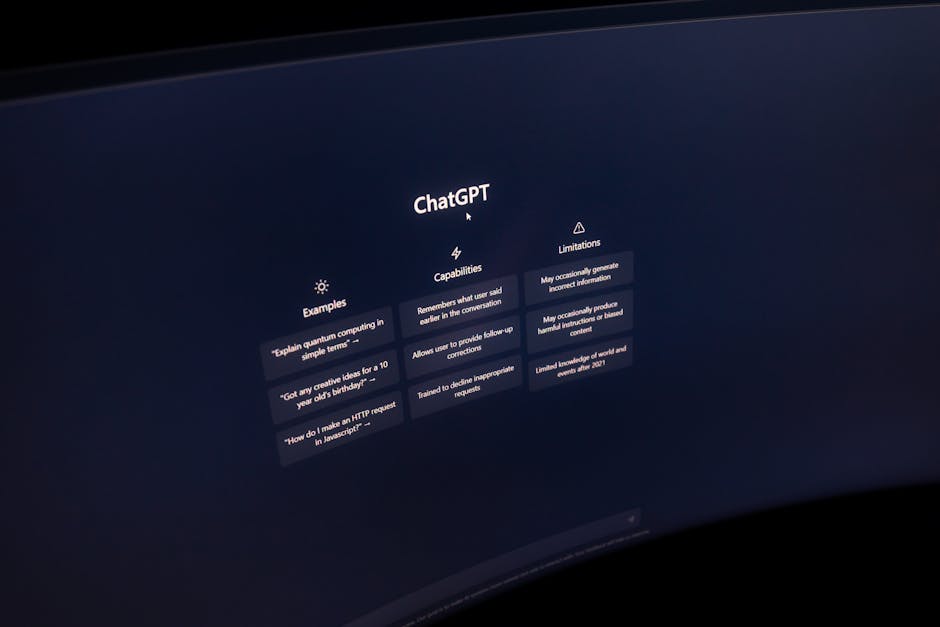
Today, we’re diving into which AI assistants serve up the best long context handling combined with strong writing quality. We’ll naturally touch on heavy hitters like OpenAI’s ChatGPT and GPT-4o, and also spotlight Claude Pro—an increasingly popular choice for those needing expanded message limits. Plus, I’ll throw in some notes on Google Docs summarize/rewriting features and Gmail’s thread summarization, since integration with your workflow matters just as much as AI quality.
Fit Over Hype: Choosing the Right AI Assistant for Your Work
In the AI assistant space, there’s always buzz around “most advanced model” or “state-of-the-art technology.” But from my hands-on testing, the real question boils down to fit. What’s the best tool for the specific kitchen task you’re doing, not what the latest press release claims.
- Long context windows: Do you need to edit or generate text that spans thousands of words without losing coherence? Nuanced writing quality: Is crafting subtle, multi-layered prose or professional tone important? Research and verifiability: Do you require citations and reliable sourcing for your output? Message limits and daily caps: How restrictive are free tiers, and is the price worth unlocking more capacity? Integration with existing tools: Can the AI smoothly fit into workflows like Google Docs or Gmail?
My experience is that the loudest AI assistant marketing does not always reflect daily-use practicality. Some assistants excel on short bursts but struggle with long documents or forget earlier parts when you push past context window sizes. Others might nail writing style but limit free queries to frustratingly low daily caps.
Claude Pro: When Long Context Is King
Anthropic’s Claude Pro has grabbed my attention recently, especially for its focus on long context handling and fewer interruptions. At $20/month, Claude Pro unlocks about 5x more messages than its free counterpart, a significant bump that’s justified for serious document work.
Why does long context matter? Imagine trying to proofread or rewrite a 5,000-word article using an AI assistant limited to 2,000 tokens per session. You end up chopping and pasting sections repeatedly—an inefficient and error-prone process. Claude Pro’s longer windows let you feed entire documents and get consistent, holistic edits or rewrites without losing track of prior content. This is a game-changer for:
- Document-level editing where tone and flow need maintaining Research papers requiring multiple paragraph summaries before conclusions Creative writing projects with evolving character development or thematic arcs
From my testing, Claude’s writing style balances clarity with subtle nuance, making it strong for professional and creative use alike.
OpenAI’s ChatGPT and GPT-4o: Versatile, But Check Context Limits
OpenAI remains a pillar in the AI assistant world. ChatGPT, especially the GPT-4o variant, excels at nuanced writing and integrates well with popular tools. Its outputs feel polished and professional, whether you're drafting emails, writing blog posts, or summarizing research articles.

However, even GPT-4o comes with practical context window limits (usually around 8,000 tokens, depending on your plan). If you routinely work in Google Docs or similar document editors, you’ll find yourself chunking large documents into smaller pieces.
One useful trick is using Google Docs’ built-in summarize and rewrite features—powered by their AI engine—to pre-process large documents before sending chunks to GPT-4o for stylistic polish or deeper analysis. Similarly, Gmail’s thread summarization helps condense email threads, making subsequent GPT queries more manageable.
Still, daily message/usage caps matter a lot when you’re working on multiday projects. OpenAI’s free tiers can zap your ability to test or iterate. Upgrading to paid plans helps, but each provider’s “message cap” is a real friction point I wish was talked about more openly.
The Importance of Citations and Verifiability for Research Tasks
Science and research require not just good prose but verifiable facts. This is where some https://technivorz.com/gemini-vs-copilot-which-one-is-better-for-day-to-day-office-work/ AI assistants falter by confidently generating plausible content but failing to back it up with reliable sources.
From my experience testing, OpenAI models and Claude both show progress incorporating citations, but neither is perfect. For example, GPT-4o will generate references but can occasionally https://smoothdecorator.com/how-do-i-test-ai-tools-on-real-work-without-overthinking-it/ “hallucinate” or mix unrelated works.
When accuracy is paramount, your best approach is to use AI assistants as drafts or brainstorming tools—not final sources—and cross-verify everything manually. Look for assistants that flag when sources are uncertain or that link to verifiable data whenever possible.
Recap: What to Keep in Mind When Choosing Your AI Helper
Criteria Claude Pro OpenAI GPT-4o / ChatGPT Google Docs & Gmail AI Features Long Context Support Up to 100k tokens in some modes; great for document-level editing Typically up to 8k tokens (some versions up to 32k) Used mainly for summarization and rewriting of smaller sections Nuanced Writing Quality Strong, balanced for professional and creative use Excellent prose and style adaptation Good but more limited in scope Message/Daily Caps $20/month unlocks 5x more messages; relatively generous limits Free tiers limited; paid plans improve limits but vary Usually tied to Google account limits; generally smooth for smaller tasks Citations & Verifiability Improving, but usage still requires verification Some citation support; manual fact-checking needed No direct citation support; just rewriting/summarizing assistance Workflow Integration Mostly standalone or API-based; some integrations emerging Integrates well with many third-party apps, chat interfaces Natively built into Google Docs and GmailFinal Thoughts: The Knife You Use Depends on the Dish
Choosing the best AI assistant for long-context tasks and nuanced writing isn’t about grabbing the shiniest new gadget. It’s about matching your project’s demands with tools that handle volume, style, and workflow smoothly.
If your work revolves around large documents or multi-paragraph edits and you want fewer interruptions—even if it costs a modest monthly fee—Claude Pro’s long context windows and message limits are very appealing.
On the other hand, OpenAI’s ChatGPT with GPT-4o is a versatile all-purpose assistant with strong writing skills and excellent integrations, but keep an eye on token limits and daily caps, which could fragment your process when working on big documents.
Finally, don’t overlook the convenience of Google Docs and Gmail’s built-in AI summarization and rewriting tools to streamline prep work before handing things off to a more robust assistant.
In the end, the smart move is to think less about hype and more about workflow fit—get the right “kitchen tool” for your AI cooking, and your projects will consistently come out delicious.